
Two Different Problems, Overlapping Symptoms
A slab leak is a plumbing failure: a supply or drain line beneath the slab that is leaking. It is a plumbing problem, diagnosed by plumbing methods, repaired by a licensed plumber.
A foundation problem is structural: the soil beneath the slab is not providing even support, and the structure is distressed as a result. It is diagnosed by measurement and addressed by underpinning and lifting — the work described on our slab foundation repair page.
They present with overlapping symptoms, they sometimes cause each other, and they frequently occur together. Which is why picking the right assessment first genuinely matters.
Symptoms That Lean Plumbing
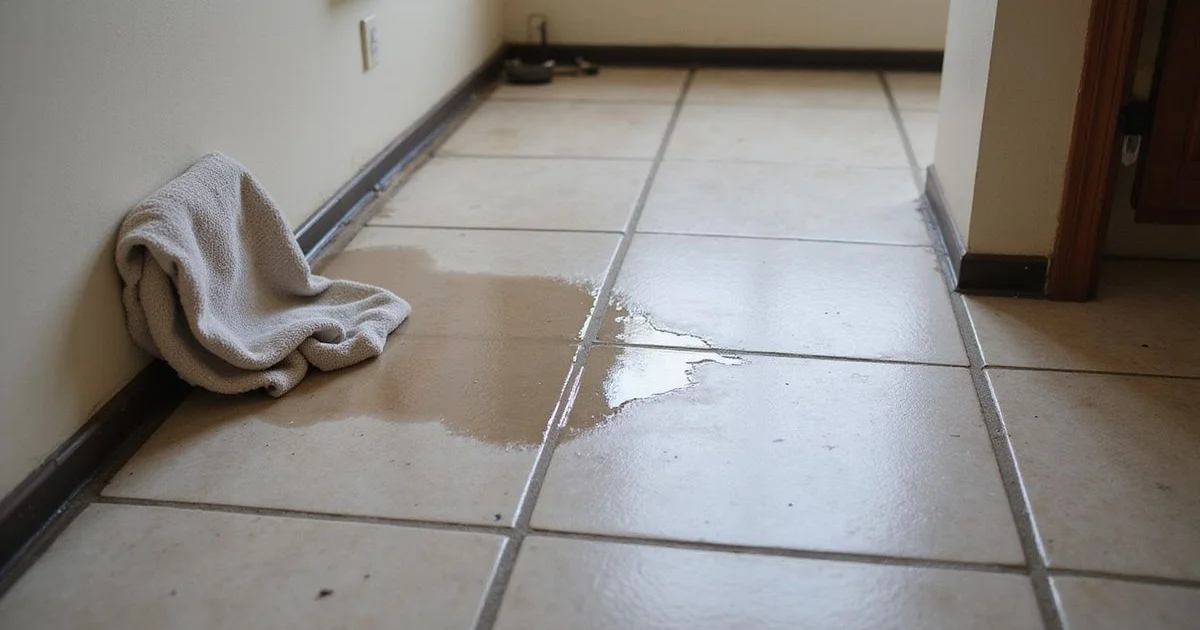
- A damp or wet patch on the floor with no obvious source
- A persistently warm area on the floor, often suggesting a hot-water line
- Water usage noticeably higher than normal with no change in habits
- The sound of running water when nothing is running
- Reduced water pressure
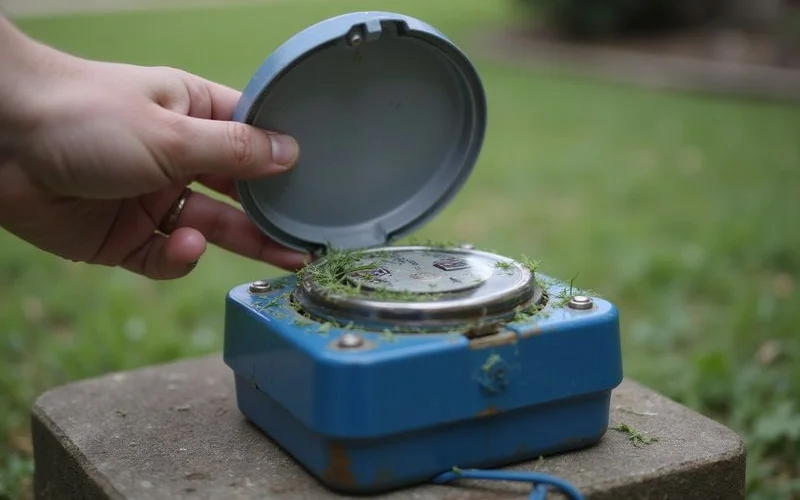
- A persistently damp area of soil outside, in dry weather, near one part of the foundation
- Mould or a musty smell localised to one area
- Foundation distress concentrated in a single zone with no other apparent explanation
Symptoms That Lean Structural
- Cracks at door and window corners, particularly on one elevation
- Doors and windows that have stopped operating and have not recovered seasonally
- A floor slope you can feel across a room
- Stair-step cracking in exterior brick
- Gaps at baseboards and trim
- Separation where a porch or garage meets the main structure
- Distress that corresponds with drainage, tree position, or sun exposure rather than with a water source
Why a Wet Floor Proves Nothing on Its Own
The critical point, and the reason this page exists.
A wet floor has multiple possible explanations: a plumbing leak, water entering from outside at a low point, condensation, an appliance, or a roof or window failure tracking down inside a wall.
A warm spot has multiple explanations: a hot-water line, a duct run, sun through a window, or an appliance.
High water usage has multiple explanations: a leak, an irrigation fault, a running toilet, or simply a change in use you have not registered.
None of them is a diagnosis. Each is a reason to test.
The mirror image applies to structural symptoms. A crack at a door corner does not establish foundation movement any more than a damp patch establishes a leak. Both need the appropriate assessment.
Side by Side
| Slab leak | Foundation problem | |
|---|---|---|
| Nature | Plumbing failure | Structural support failure |
| Who assesses | Licensed plumber | Foundation contractor or engineer |
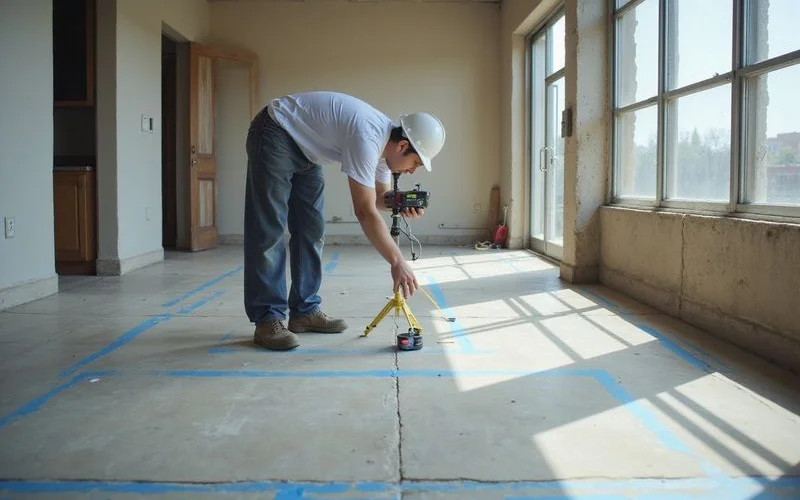
| Method | Pressure and hydrostatic testing, leak detection | Relative elevation survey, distress mapping |
| Typical signs | Damp floor, warm spot, high usage, running sound | Cracks at corners, sloping floor, binding doors |
| Distribution | Localised to one zone | Follows an elevation pattern across the structure |
| Repair | Line repair or replacement, often via tunneling or break-out | Piers, lift, and support |
| Can cause the other | Yes — saturates soil, creates differential | Yes — stresses rigid lines |
The Connection Between Them
These are genuinely linked in Houston, which is why homeowners get confused.
A leak can cause movement. A continuously leaking line saturates soil in one zone while the rest of the lot dries and wets seasonally. That is a sustained moisture differential of exactly the kind that produces uneven support in expansive clay. Localised foundation distress with no other apparent explanation is a reason to consider a leak.
Movement can cause a leak. Lifting or settling stresses rigid under-slab lines. Aged cast iron is brittle. A structure that has moved may have taken its drainage with it.
Establishing which came first is not always possible and often does not matter much. What matters is addressing both, in an order that does not waste money.
Which Assessment First?
Water symptoms dominant — damp patch, warm spot, unexplained usage, running sound — then a plumbing assessment first. Ruling a leak in or out changes what any structural finding means, and repairing a foundation while a line still leaks underneath is working in the wrong order.
Structural symptoms dominant — cracking on one elevation, doors binding, a floor slope — with no water symptoms, then a foundation evaluation first.
Both present, or genuinely unclear, then the plumbing assessment is usually the cheaper and faster way to eliminate one variable. A foundation evaluation performed after a leak has been ruled out is a more informative evaluation.
Our guide on slab leak testing versus foundation evaluation goes into what each assessment establishes.
What We Will and Will Not Do
We will run a relative elevation survey, map distress, and record site conditions including any evidence of water. Where the picture points toward plumbing, we say so and recommend a plumbing assessment.
We will not diagnose a slab leak. That is a different discipline with different methods and different licensing, and we are not going to guess at it to keep the job.
Equally, we will not sell you a foundation repair to solve a plumbing problem. If a leak is saturating soil under one corner, piering that corner addresses the effect and leaves the cause running underneath.
Where both are genuinely present, coordination between the two scopes matters, and our slab foundation repair page covers how plumbing fits into a structural project — including post-lift hydrostatic testing.