

What a Warranty Is, and What It Is Not
A foundation repair warranty is a written commitment about the performance of specific work at specific locations, subject to stated exclusions, for a stated period.
It is not a promise that your foundation will never move again. It is not coverage for the whole property. It is not insurance. Contractors who present it as any of those things are describing something the document does not say, and the gap between the sales conversation and the paperwork is where disappointment lives.
The single most useful thing you can do is ask for the actual document before signing anything, and read the exclusions before the coverage.
Types You Will Encounter
Contractor warranty. Issued by the company performing the work, backed by that company. Most residential foundation warranties are this type. Its value depends on the company continuing to exist and continuing to honour it.
Third-party backed warranty. Underwritten by an entity separate from the contractor, so coverage survives the contractor ceasing to trade. Less common, and it typically costs more to offer. Worth asking about specifically.
Manufacturer product warranty. Covers the pier system components themselves — steel, brackets, fittings — against defect. This is not the same as a workmanship warranty and does not cover installation or performance. A proposal citing a manufacturer warranty as if it were a workmanship warranty is blurring two different things.
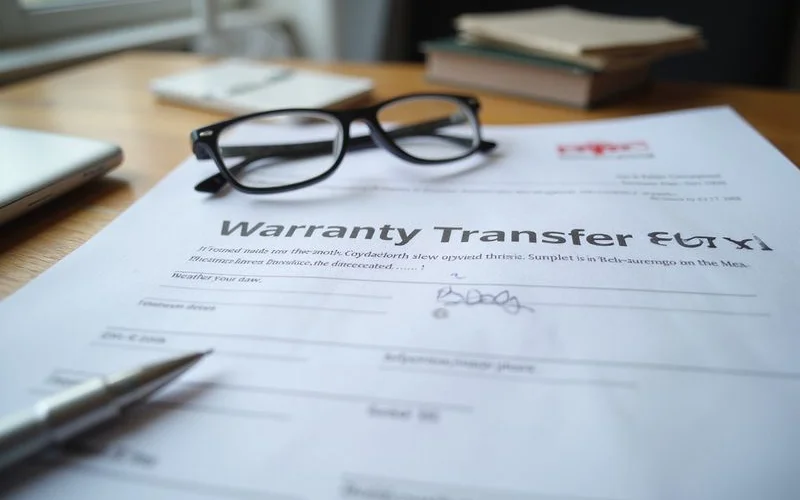
Transferable versus non-transferable. A transferable warranty passes to a subsequent owner, usually subject to a fee and a time window. A non-transferable one ends when you sell, which materially reduces its value to a buyer.
What to Check in the Document
Work through these before signing:
- Scope of coverage. Which locations, and which work? Coverage almost always applies to the piers installed at the locations installed, not to the foundation generally.
- Coverage period. A defined number of years, or “lifetime” — and if the latter, whose lifetime and defined how?
- Exclusions. The most important section. Read it first.
- Transferability. Does it transfer, and to how many subsequent owners?
- Transfer fee. How much, and who pays?
- Transfer window. How long after a sale does a new owner have to complete the transfer? This catches people out constantly.
- Claim process. Who to contact, what triggers a claim, what response is committed, and what remedy applies.
- Backing. Contractor-backed or third-party? What happens if the company ceases trading?
- Voiding conditions. What actions by the owner void coverage — subsequent work by others, alterations, failure to maintain drainage?

Common Exclusions
None of these should surprise you if the document is honest about them.
- The rest of the foundation. Areas outside the repaired locations are generally not covered.
- Cosmetic finishes. Cracks in sheetrock, plaster, tile, brick, and trim, and the paint that follows.
- Plumbing. Under-slab lines and their performance, unless a separate plumbing warranty applies.
- Movement from causes outside the scope. A leak developing after the work, drainage changes, new construction nearby, a tree planted next to the slab.
- Regional ground movement. Subsidence and fault-related movement are regional phenomena no residential repair addresses, and warranting them would be meaningless.
- Acts outside the contractor’s control. Flooding, extreme events, and similar.
Our own exclusions are stated in the warranty document in plain language, because a homeowner discovering an exclusion during a claim is a failure of communication that happened at signing.
Why “Lifetime” Needs Defining
“Lifetime warranty” is among the most used and least informative phrases in this industry.
Lifetime of what? The structure? Your ownership? The company? Each produces a different answer, and only the document settles it. Ask the question directly: what does lifetime mean in this agreement, and where is that defined in the text?
A document that defines it clearly is fine. A salesperson who says “lifetime” and a document that says something narrower is a warning sign about the rest of the relationship.
Engineer Certification Letters
Separate from a contractor warranty, a licensed professional engineer may issue a letter or report regarding foundation work. These appear most often in transactions, where a buyer, seller, or lender wants an independent structural opinion.
An engineer’s letter is not a warranty. It is a professional opinion about condition or about work performed, carrying the engineer’s seal and professional responsibility. It costs money, it is separate from the contractor’s scope, and it answers a different question.
Where a transaction calls for one, the contractor should say so rather than offering their own paperwork as a substitute. Our contractor versus engineering assessment guide explains where each fits.
If You Are Buying or Selling
For a buyer: ask for the warranty document itself, not a summary. Check whether it transfers, what the fee is, and how long the window is. Complete the transfer within the window — missing it is a common and entirely avoidable loss. Ask for the original scope and elevation readings too, because a warranty without the work record it relates to is hard to use.
For a seller: gather the documents before listing. A documented, warranted repair with a transferable warranty reassures a buyer. A repair with no paper trail invites questions you cannot answer.
Our guide on buying a home with previous foundation work covers the document checklist in full.
Our Position
Our warranties are written and transferable. The document states coverage, exclusions, the transfer terms, any fee, and the time window. We explain those terms at signing rather than leaving them to be discovered.
What we will not do is describe a warranty as a promise of permanent results, because that is not what any warranty in this industry is, and saying so would be misrepresenting the document we are asking you to sign.