
Why This Is More Complicated in Houston Than It Sounds
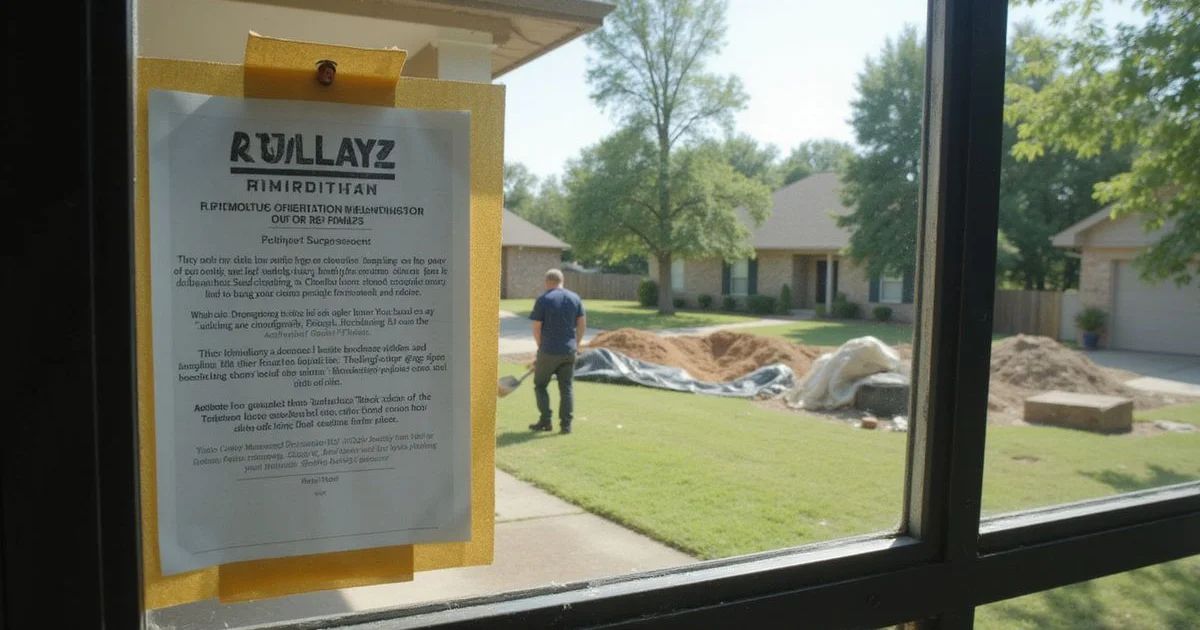
“Do I need a permit?” is a simple question with a genuinely complicated answer in this region, because the greater Houston area is not one permitting authority. It is a city, a set of counties with unincorporated territory, and a long list of separate municipalities, and a single subdivision can straddle a boundary between two of them.
Across our service area alone, foundation work touches the City of Houston, unincorporated Harris County, Fort Bend County, Montgomery County, Brazoria County, Galveston County, Waller County, Chambers County, and municipalities including Katy, Pearland, Sugar Land, Bellaire, Pasadena, Deer Park, Stafford, Missouri City, Friendswood, League City, Tomball, Conroe, Richmond, and Rosenberg.
Each handles residential foundation and plumbing permitting on its own terms. So the first practical step on any project is establishing which authority governs the address.
When a Permit Typically Applies
Requirements vary, but the general shape is consistent across jurisdictions.
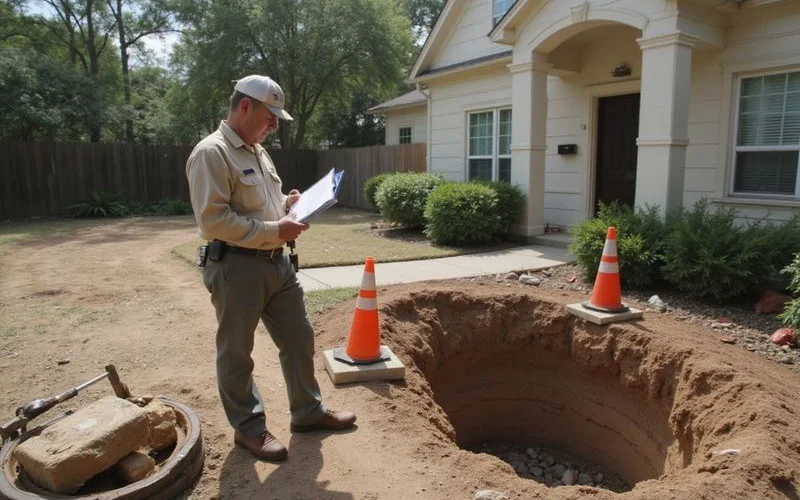
Structural foundation work — installing piers, underpinning, performing a lift — commonly triggers a permit requirement because it alters the structural support of a dwelling.
Plumbing work associated with foundation repair almost always carries its own requirement. Replacing or repairing under-slab drainage is plumbing work performed by a licensed plumber under a plumbing permit, with its own inspection.
Post-lift plumbing testing sits in this category too. A hydrostatic test on under-slab drainage after a lift may be required before sign-off in certain circumstances, and where it is, it is part of the permitted sequence rather than an optional extra.
Excavation and tunneling can carry requirements of their own, particularly where the work is extensive or affects utilities or easements.
Minor cosmetic work — patching a crack, sealing mortar joints — generally does not.
Why the Jurisdiction Question Matters Practically
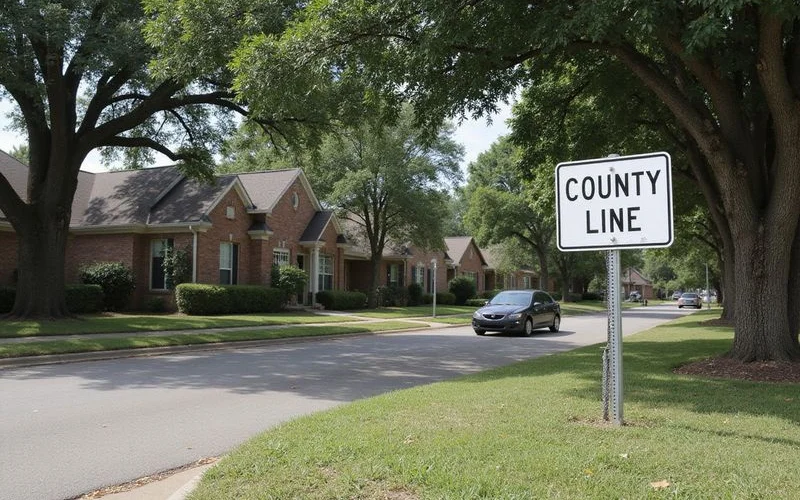
Two houses on the same street can fall under different authorities. Several of our service areas sit on boundaries:
- Katy spans City of Katy, Harris County, Fort Bend County, and Waller County
- Pearland spans Brazoria County and Harris County, with its own city process
- Spring spans Harris County and Montgomery County
- Stafford spans Fort Bend and Harris Counties
- Cypress is largely unincorporated Harris County, which behaves differently from an incorporated city
- Friendswood spans Galveston and Harris Counties
Getting this wrong at the start means a permit application to the wrong office, a delay, and sometimes a scheduling problem mid-project. We confirm the correct authority before scheduling rather than after.
Who Pulls the Permit
Ordinarily the contractor, as part of the project scope. That is the normal arrangement and it should be stated explicitly in the proposal, along with whether the permit fee is included in the price or billed separately.
Where a licensed plumber performs plumbing work associated with the project, the plumbing permit is generally theirs. If the plumber is engaged directly by you rather than coordinated through the foundation contractor, that boundary needs to be clear so neither party assumes the other is handling it.
A contractor who asks you to pull an owner permit for structural work is asking you to take on responsibility that normally sits with them. It is worth understanding why before agreeing.
The Inspection Sequence
Where a permit applies, inspection is part of it. The practical consequence is scheduling: inspections happen when the inspector is available, not when the crew is ready, and that can add days to a project.
A proposal that accounts for the inspection schedule in its timeline is being realistic. One that promises a completion date without reference to it may be optimistic.
Why Permitting Is Worth Doing Properly
It is tempting to see permitting as bureaucracy that adds cost and delay. Two practical reasons it matters:
Resale and refinancing. A buyer, a buyer’s inspector, or a lender asking about a documented repair history wants records. Permitted work with inspection records is a clean answer. Unpermitted structural work is a question you have to explain, sometimes at an awkward moment in a transaction.
Disputes and claims. Where something goes wrong later — with the work, with an insurer, or between parties — a permitted, inspected job with a paper trail is in a fundamentally different position from one without.
The cost of doing it properly is modest at the time. The cost of not having done it shows up years later.
What We Do
We confirm the permitting authority for your address before scheduling, pull the permits associated with our scope, coordinate with the plumber on theirs, and schedule inspections into the project sequence.
The proposal states which permits the project requires, who is pulling them, whether the fee is included, and how the inspection schedule affects the timeline. If the honest answer is that a permit is not required for the scope involved, it says that too.
Our evaluation is the point at which the jurisdiction question gets settled, because scope and authority are established together before anything is scheduled.