
A Door Is a Rough Instrument
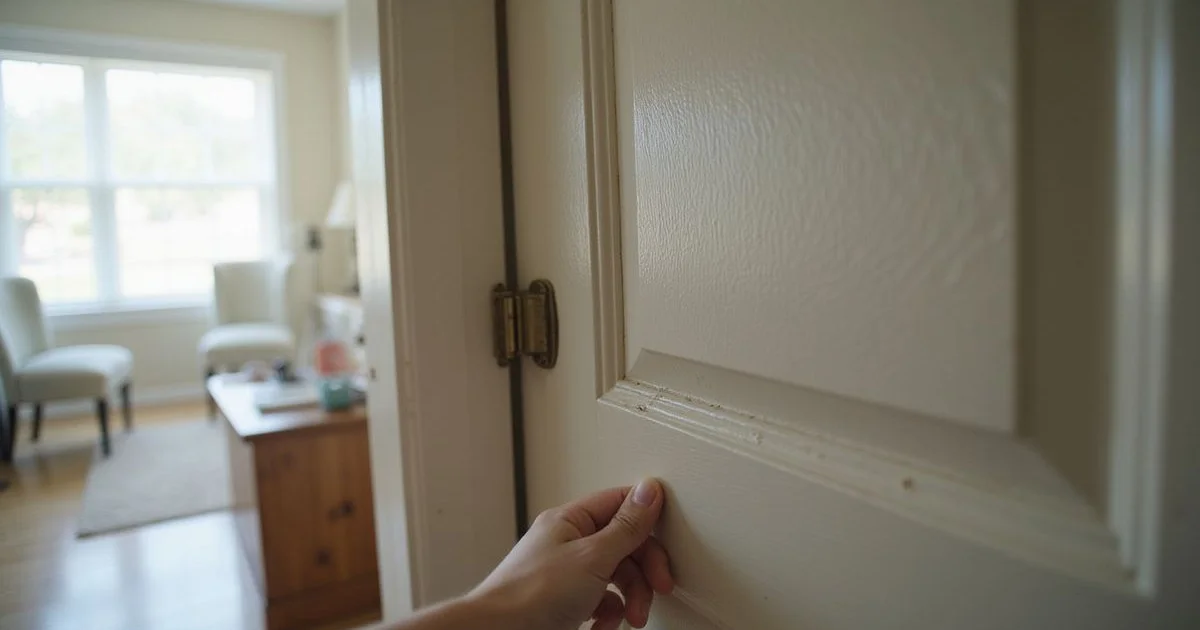
There is something genuinely useful about a door. It is a rectangle hung inside a frame with a small, consistent gap around it. If the frame stops being square, the door tells you — it rubs, it fails to latch, or it swings on its own.
That makes doors and windows among the more practically informative observations available to a homeowner, and it is why they appear on our warning signs hub alongside cracking.
The caveat is that frames stop being square for several reasons, and only one of them is the foundation.
What Causes Binding
Humidity. Wood takes on moisture and swells. Houston humidity swings substantially through the year, and a door that fits in February can bind in August. This is by far the most common cause of a door that starts sticking.
Hinge and hardware wear. Screws loosen, hinges sag, and a door drops slightly on its hinges. Very common in older homes and easily fixed.
Paint build-up. Layers accumulate on the door edge and in the rebate until there is no clearance left.
Original construction. Some doors were never hung well.
Normal settlement. New construction settles for a period, and frames move slightly.
Foundation movement. The frame is being racked out of square because the structure supporting it has moved. A binding door on its own says little; alongside uneven floors on the same side of the house it becomes worth measuring.
How to Tell Them Apart
Three tests, none of which requires equipment.
Does it track with the season?
The strongest single test. Note when binding starts and whether it eases.
- Binds in humid weather, eases when dry → likely framing swell
- Binds consistently through a full year regardless of weather → more consistent with movement
- Binds progressively worse each season without recovering → more consistent with progressive movement
This takes a year to answer properly, which is why noting the date matters.
Where does it rub?
The location tells you about the geometry.
- Top corner on the latch side → the frame is racking in a particular direction
- Along the entire latch edge, uniformly → the door has swollen, or the whole frame has shifted laterally
- Bottom of the door → the door has dropped on its hinges, or the floor has risen
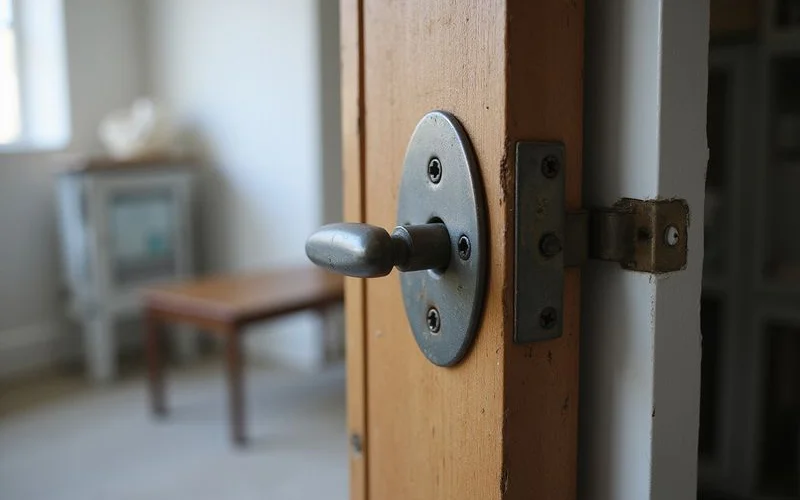
- Latch sits above or below the strike plate → the frame is out of square vertically, which is harder to explain by swelling alone
That last one is notable. Wood swelling makes a door tighter. It does not typically move the latch out of line with the strike plate.
How many openings are affected?
One door is an observation. Several openings binding on the same elevation, in a consistent direction, is a pattern — and patterns are what assessments read.

What to Document
- Which doors and windows, marked on a rough floor plan
- Where each one rubs, specifically
- Whether the latch aligns with the strike plate
- When it started, approximately
- Whether it has eased at any point since
- What the weather was doing when it started
- Anything else in the same area — cracks at corners, gaps at baseboards, a floor slope
- Photographs of the gap around the door, dated
The written record matters more than photographs here, because the useful information is about time rather than appearance.
Should You Plane the Door?
It works, and most people do it. Two things to know first.
It removes the evidence. A planed door no longer tells you anything about the frame.
If the frame is moving, you will plane again. And if structural work later brings the frame back toward square, a planed door fits badly — there is now a gap where material was removed.
If the binding is clearly seasonal and eases when the humidity drops, planing is a reasonable response to an inconvenience. If it is persistent and accompanied by other distress in the same area, measuring first is the better order.
When to Have It Measured
- Binding that has persisted through a full seasonal cycle without easing
- Several openings affected on the same elevation
- A latch that no longer aligns with its strike plate
- Binding accompanied by cracking at corners or gaps at baseboards in the same area
- An exterior door that no longer seals
- Buying or selling the property
A foundation evaluation measures the floor plane against a benchmark and maps the distress by location and pattern, which is how a sticking door becomes either a finding or a documented non-issue.
And if the answer turns out to be humidity, that is a genuinely useful thing to have established rather than worried about for another year.