
Why Interior Cracks Are Confusing
Interior wall finishes crack for many reasons, most of them unremarkable, and the resulting cracks look broadly the same regardless of cause.
Sheetrock is a rigid panel taped at the joints. Framing behind it is timber that shrinks as it dries and moves with seasonal humidity. Houston humidity swings substantially through the year. New construction settles for a period. Original taping and finishing varies in quality.
Any of those produces cracks. So does foundation movement. Which is why an article cannot tell you which one you have, and why our warning signs hub keeps observation and diagnosis separate throughout.
Where They Typically Appear
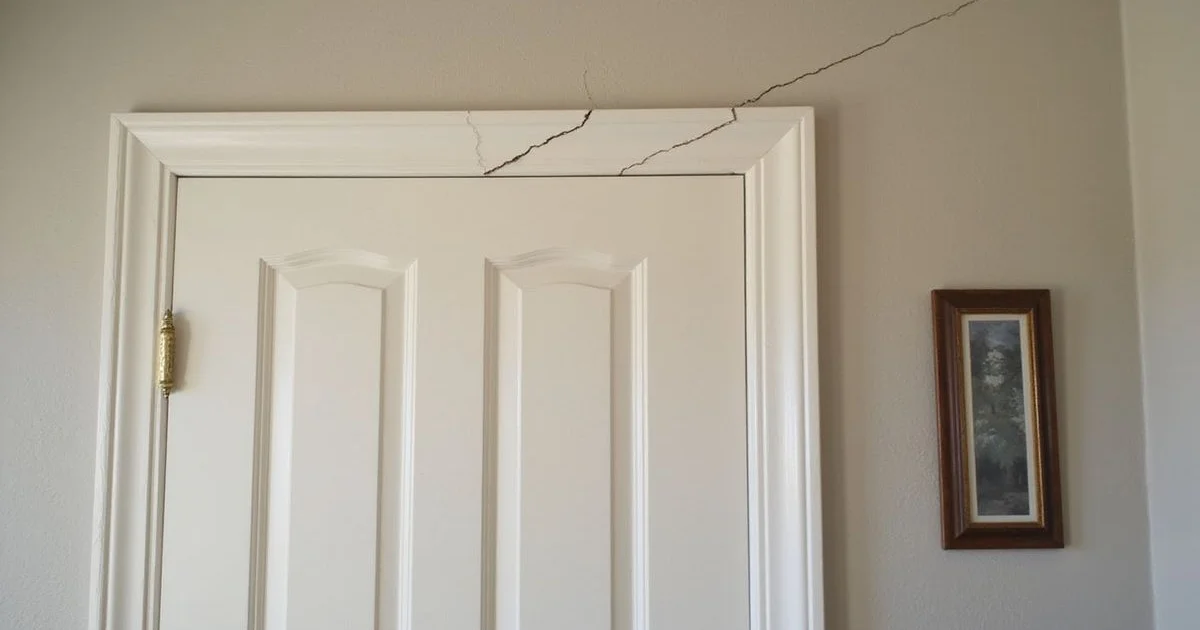
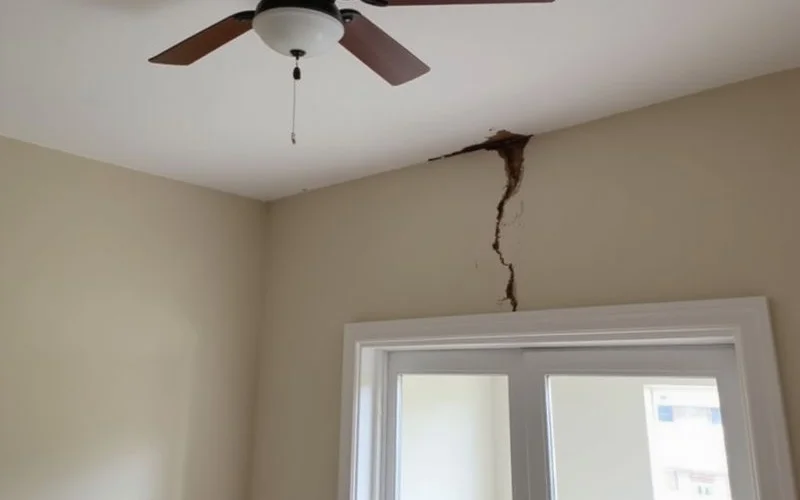
Door and window corners. The most common location and the one people notice first. Openings interrupt the wall, concentrating stress at the corners, so corners crack first regardless of the cause. Diagonal cracks radiating from an upper corner are the classic pattern.
Ceiling-to-wall seams. A gap opening along the line where ceiling meets wall, often running along one side of a room.
Along taped joints. A straight crack following a seam between sheets.
Over doorways spanning the header.
At wall-to-wall corners, inside or outside corners opening.
Nail pops — fasteners pushing through the finish, usually a framing-movement indicator rather than a foundation one.
In plaster, in older Houston homes: plaster is more brittle than sheetrock and cracks more readily, often in patterns that look more alarming than they are.
What Each Cause Looks Like
Framing shrinkage. Most common in newer construction as lumber dries. Often produces nail pops and cracks along taped seams. Tends to stabilise.
Seasonal humidity. Cracks that open and partly close with the season, appearing in humid periods or dry ones and improving in the other.
New construction settlement. In the first years after building, minor cracking is common and generally not a concern.
Foundation movement. Cracks that correspond with an elevation pattern in the floor and with exterior distress on the same side of the house, and which progress rather than cycling.
The distinguishing features are correspondence and progression, not appearance.
What an Assessment Considers
Location and orientation. Where cracks sit, which direction they run.
Distribution. Isolated, or several appearing together on one side of the house? Clustering on one elevation is more informative than a single crack anywhere.
Correspondence with the exterior. Does brick cracking appear on the same elevation, in a consistent pattern?
Correspondence with the floor plane. Does a relative elevation survey show the floor out in the same area? This is the test that matters most.
Door and window operation in the affected area, which often tells you more than the crack does.
Progression. Whether cracks are changing, and in which direction.
The Most Useful Thing You Can Do
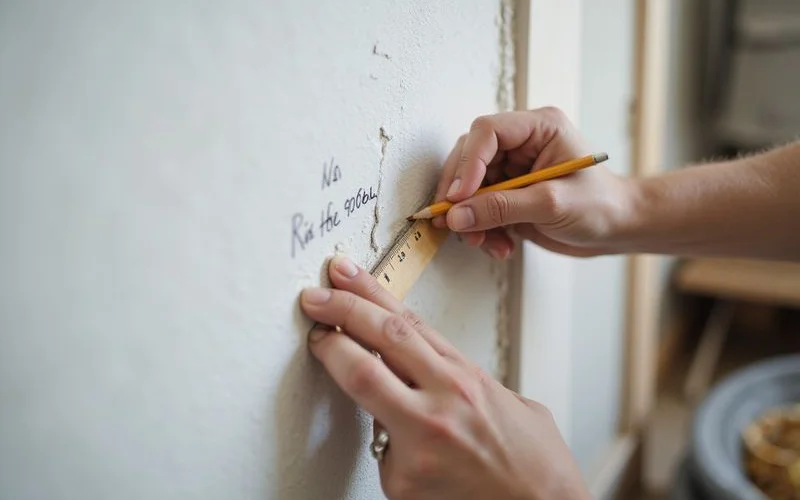
Mark and date them.
A pencil mark at the end of a crack, with the date beside it, turns a static observation into a measurement of change. In three months you either see that the crack has extended past the mark or that it has not. That single piece of information is worth more than any amount of speculation about width.
Alongside that:
- Photograph with something for scale, from a consistent position, with the date recorded
- Mark locations on a rough floor plan
- Note which doors and windows have changed and where they bind
- Note anything else that happened: plumbing work, a tree removed, a very dry summer
- Repeat quarterly
Should You Patch Them?
Not yet, if you are concerned enough to be reading this.
Patching removes the record. A patched crack that reopens tells you something, but you have lost the interval, and repeat reopening after repair is itself meaningful information — it suggests ongoing movement rather than a one-off event.
There is also a sequencing point. If structural work turns out to be warranted, cosmetic repair done first has to be done again afterward. Cosmetic repair following structural stabilisation is normal, expected work.
When to Have It Measured
- Cracks visibly progressing over weeks rather than months
- Several cracks appearing together on one elevation
- Cracks that correspond with exterior brick distress on the same side
- Doors or windows that have stopped functioning and have not recovered seasonally
- Cracks that reopen after repair
- Buying or selling the property
A foundation evaluation measures the floor plane against a benchmark and maps the distress by location and pattern. It turns “there are cracks in my wall” into either a documented finding or a documented non-issue — and either way you keep the readings as a baseline.