
The Question Behind the Question
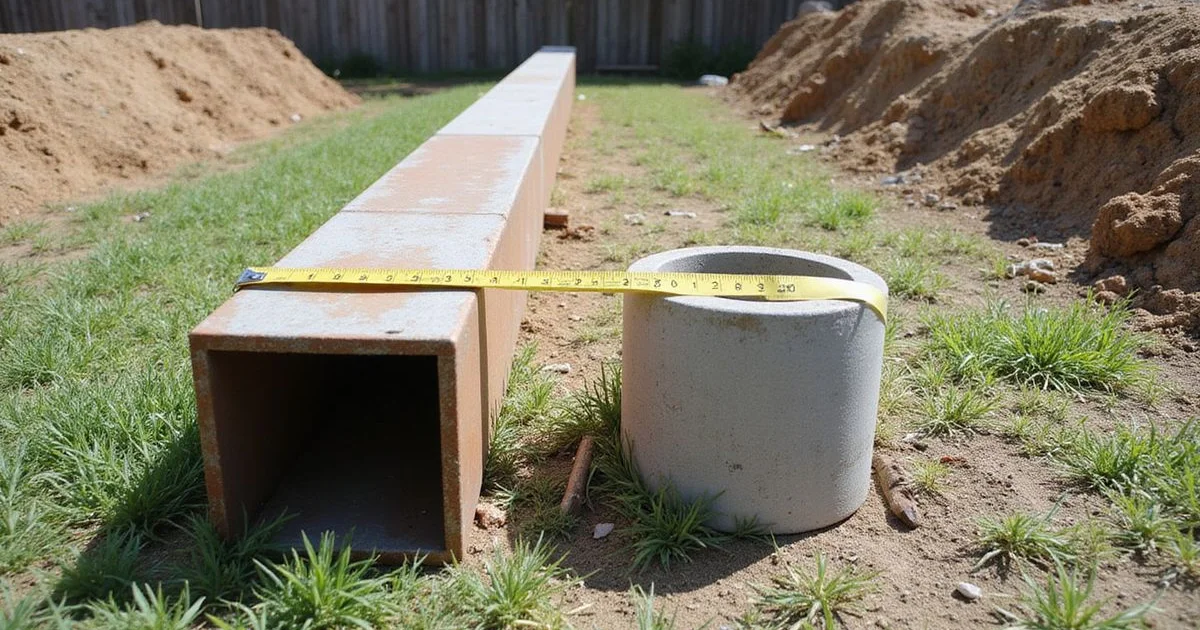
Homeowners arrive at this comparison because two proposals recommend different systems and both contractors say theirs is better.
Here is the honest position: neither system is universally superior. Both are installed routinely across the Houston area, both have long track records in expansive clay, and both work when properly specified and installed for the conditions present.
What separates a good recommendation from a sales pitch is whether the contractor can explain the selection in terms of your property. Our repair methods page covers how the selection should be made.
The Core Difference: How Depth Is Determined
This is the most consequential distinction and it is rarely explained well.
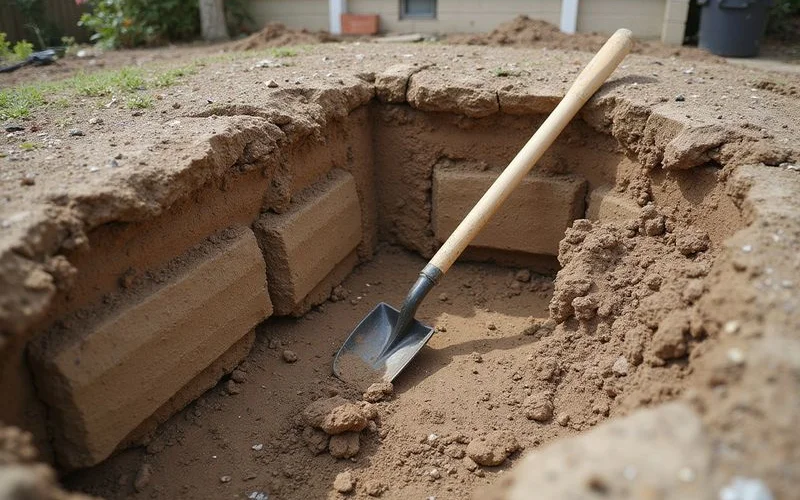
Driven steel piers advance until they meet refusal — a layer resisting further penetration under the available force. Depth is discovered during installation. Two piers on the same lot can reach refusal at different depths and that is normal. The advantage is that the soil tells you where the bearing is. The disadvantage is that the final depth, and therefore the material quantity, is not knowable in advance.
Drilled bell-bottom concrete piers are excavated to a planned depth informed by local knowledge and any geotechnical data available. The advantage is predictability for scheduling and cost. The disadvantage is that the depth is a judgement rather than a confirmed resistance.
Pressed concrete pilings sit between the two — driven, so resistance determines the stopping point, but with less depth control than a steel system.
Bearing and Uplift in Expansive Clay
Two mechanical considerations matter more in Houston clay than almost anywhere.
Reaching below the active zone. The active zone is the depth over which seasonal moisture change drives meaningful volume change. A pier bearing within it is bearing on material that still cycles. Both systems can be designed to get past it; the design has to actually do so.
Uplift on the shaft. Expansive clay does not only settle. Swelling soil exerts upward force along a pier shaft, which can act against the system. A drilled pier’s bell provides resistance to uplift by mechanical interlock. A steel system relies on other detailing. Either can be designed for it; neither should ignore it.
Access and Site Impact
| Steel piers | Drilled bell-bottom | Pressed pilings | |
|---|---|---|---|
| Excavation footprint | Modest | Larger | Modest |
| Equipment access needed | Low | Drilling rig | Low |
| Spoil generated | Little | Significant | Little |
| Cure time before loading | None | Yes | None |
| Suits tight side yards | Well | Less well | Well |
| Groundwater complication | Manageable | More difficult | Manageable |
On a narrow inner-loop lot or a zero-lot-line property, access frequently decides the question before anything else does.
Cost
The honest answer is that it varies and general comparisons mislead.
Steel often carries a higher per-pier cost where refusal is deep, because depth drives material and installation time, and depth is not known in advance. Concrete can be more economical where the planned depth is moderate and the site allows for drilling.
But two points matter more than the per-unit comparison:
The number of locations usually dominates the total. A twenty-pier concrete job costs more than a ten-pier steel job regardless of the per-unit difference.
Who carries the depth risk changes the number. A proposal where the contractor absorbs deeper-than-expected refusal prices differently from one that bills depth as an extra. Ask which yours is.
Our cost-factor guide covers the full set of variables.
Durability
Both are installed for long service life, and neither should be described as permanent.
Steel in soil is subject to corrosion, which is why corrosion protection — galvanising or equivalent — is specified in properly designed systems. Ask what protection is specified and what the manufacturer documentation covers.
Concrete does not corrode, though aggressive soil conditions can affect it over long periods, and reinforcement within a poured pier has its own considerations.
Neither material’s durability is usually the deciding factor in a residential context.
What Should Actually Decide It
In order:
- Soil profile and likely bearing depth at your property
- Load at each proposed location
- Obstructions likely on the site
- Access for the required equipment
- Groundwater conditions
- Schedule, where cure time matters
- Cost, once the above have narrowed the field
Notice that contractor preference does not appear on that list.
The Test for Any Proposal
Ask: “Why did you select this system for my property specifically, and what does it not do well here?”
A contractor reasoning from your property will talk about depth, access, load, and soil. A contractor reasoning from their inventory will talk about why their system is better in general.
Both answers are informative. Only one tells you something about your house.
The steel pier systems guide and the concrete pier systems guide cover each in detail, and the comparison worksheet helps you weigh proposals on scope rather than on system loyalty.